There are 2 common types of aluminum profiles on the market: 6061 & 6063. Below are the differences:
Different Compositions
6061 profiles: 0.4-0.8% Silicon, 0.15-0.4% Copper, 0.8-1.2% Magnesium, and 0.04-0.35% Chromium.
6063 profiles: 0.2-0.6% Silicon and 0.5-0.9% Magnesium.
Performance Characteristics
Aluminum extrusions 6061: Has better strength and machinability than 6063, along with good oxidation resistance, but slightly poorer plasticity. It is commonly used in heavy-duty vehicles, ships, aerospace equipment, trucks, electric vehicle molds, electronic furniture, etc.
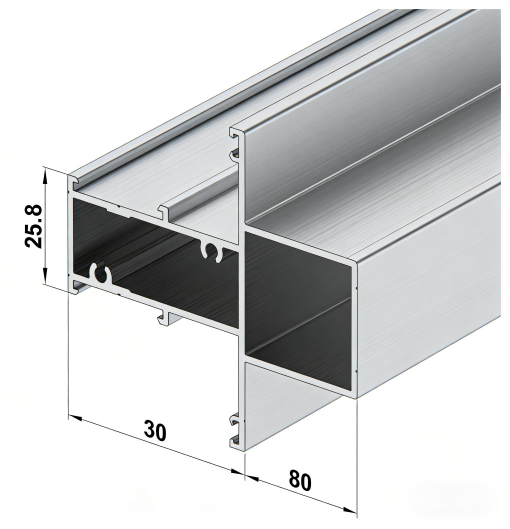
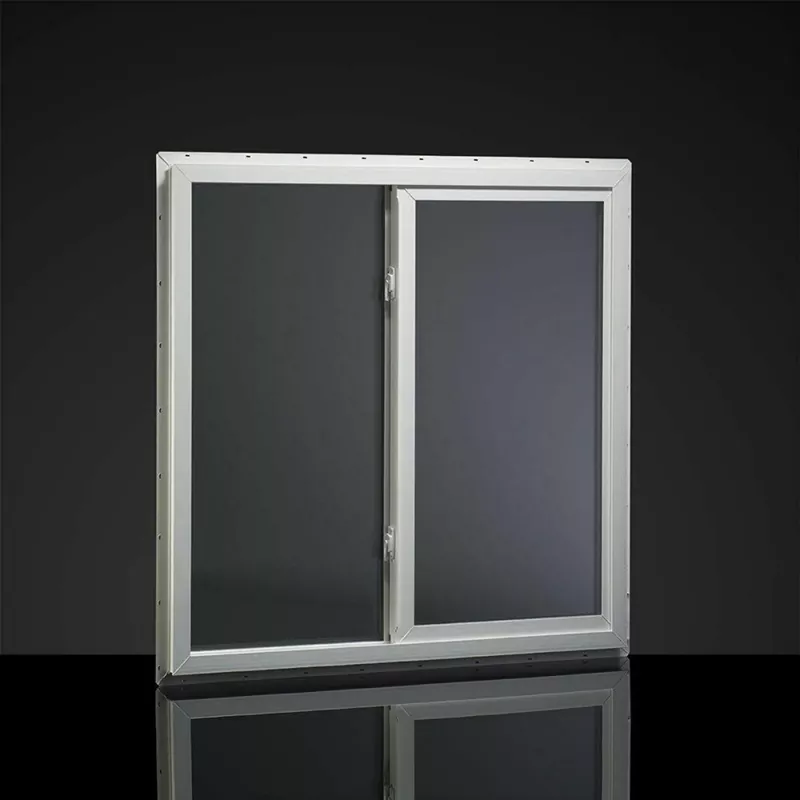
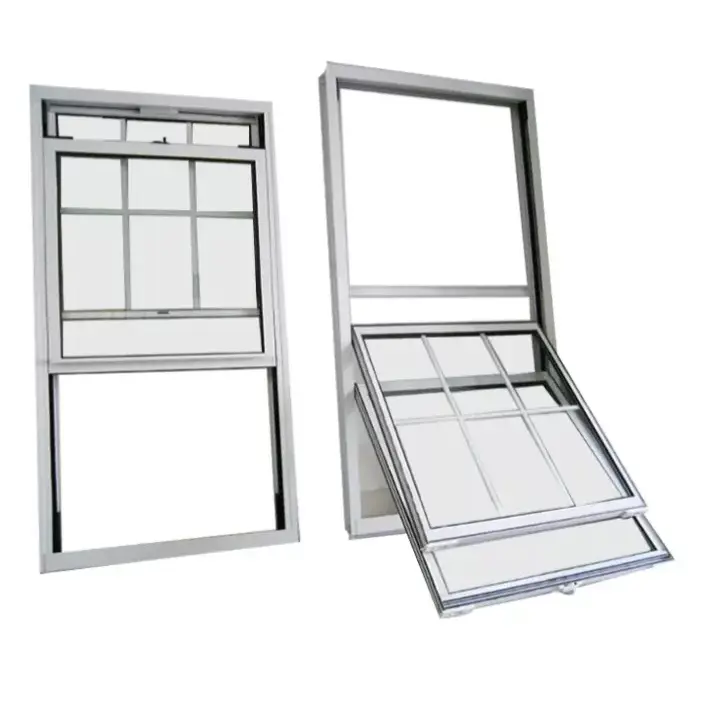
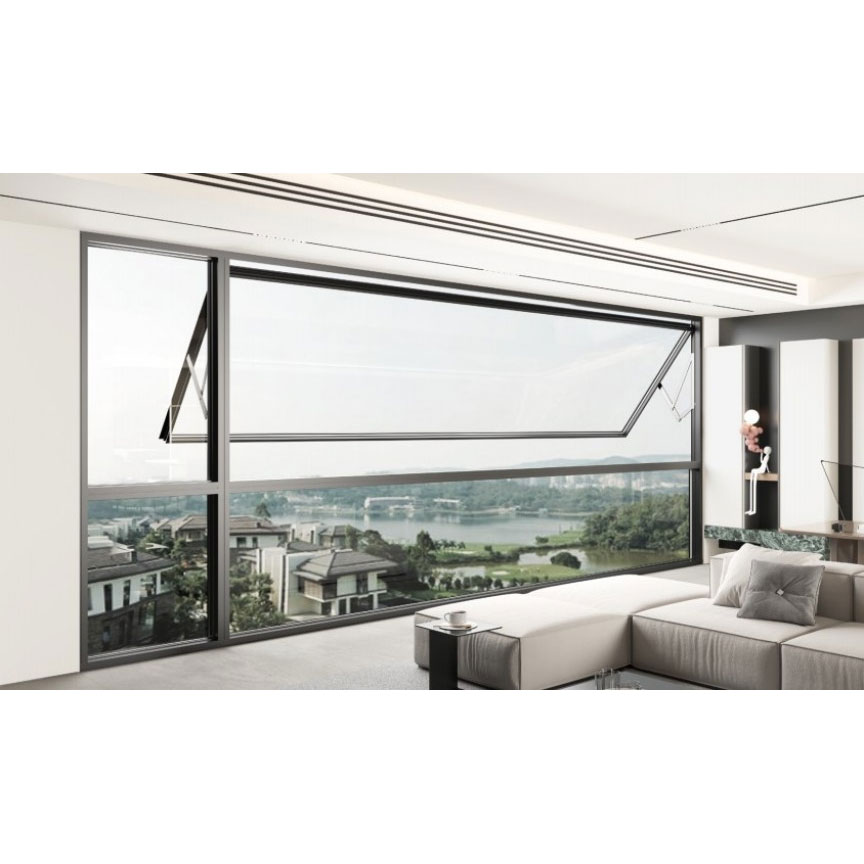
Aluminum extrusions 6063: Has strong overall performance, high strength, wear resistance, corrosion resistance, and high-temperature resistance. It is suitable for architectural aluminum doors and windows, curtain walls, various industrial frame structures, rail transportation, aerospace, military equipment, automated conveying systems,etc.
Temper-T5 & T6
T5 and T6 represent two distinct temper states:
T5: Air cooling and artificial aging. Small deformation coefficient, easy to control, and general hardness.
T6: Water cooling. Large deformation coefficient, difficult to control, but high hardness.
A-grade and B-grade rods
A-grade rod: Made from aluminum processed directly from aluminum ore.
B-grade rod: Made from recycled aluminum through purification and processing.
Due to different impurities, there are significant differences in performance. Qualified aluminum profiles for doors and windows require A-grade aluminum rods to maintain the high strength of the doors and windows. If B-grade aluminum profiles are used, the impact resistance, deformation resistance, and corrosion resistance will be significantly reduced. However, because B-grade aluminum profiles are cheaper, many small and medium-sized factories use B-grade profiles to reduce costs.
The Importance of the Extrusion Process
It will lead to significant variations in cost and performance even with the same aluminum rod due to the differences in extrusion process. For example, profiles from a 3000-ton extrusion press have higher density, better material toughness, and greater hardness, compared to those profiles from a 1000-to extrusion press.
In a word, there could be slightly differences in both price and performance for different brands of aluminum profiles with same rod and same thickness.
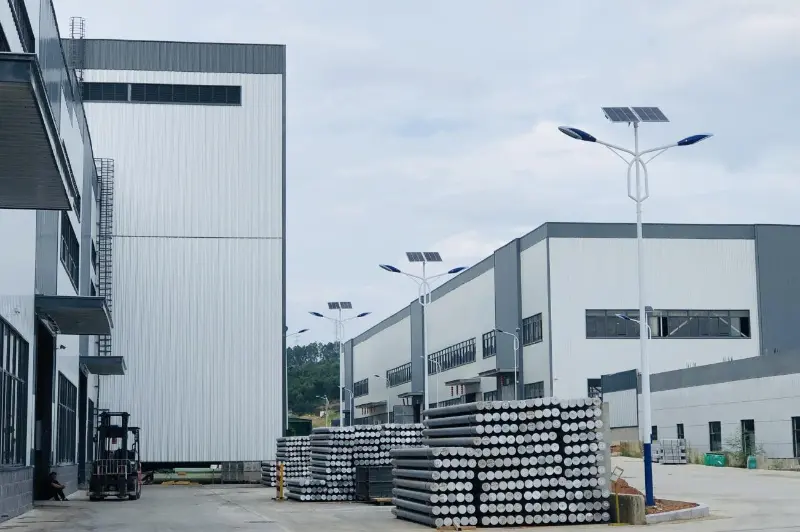
As a professional aluminum profile manufacturer, we ensure complete control from raw materials to finished products.
We specialize in architectural-grade 6063 aluminum alloy, insisting on using virgin "Grade A" aluminum billets. These are formed using heavy-duty extrusion presses ranging from 300 to over 2850 tons, combined with precise T5/T6 heat treatment processes.