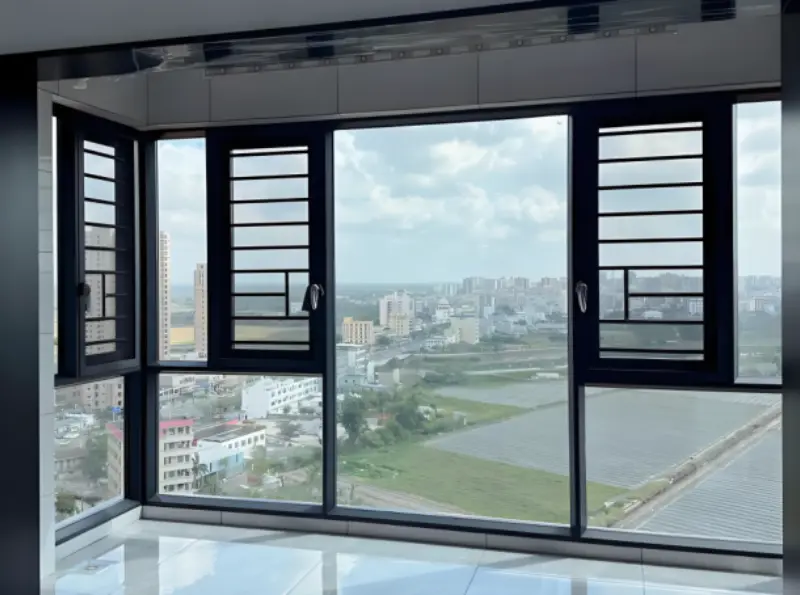
Many home owners are thinking to enclose the balconies when decoration. To enclose the balcony, one is to enclose the balcony which is open before, and the other is to change the balcony windows with different methods.
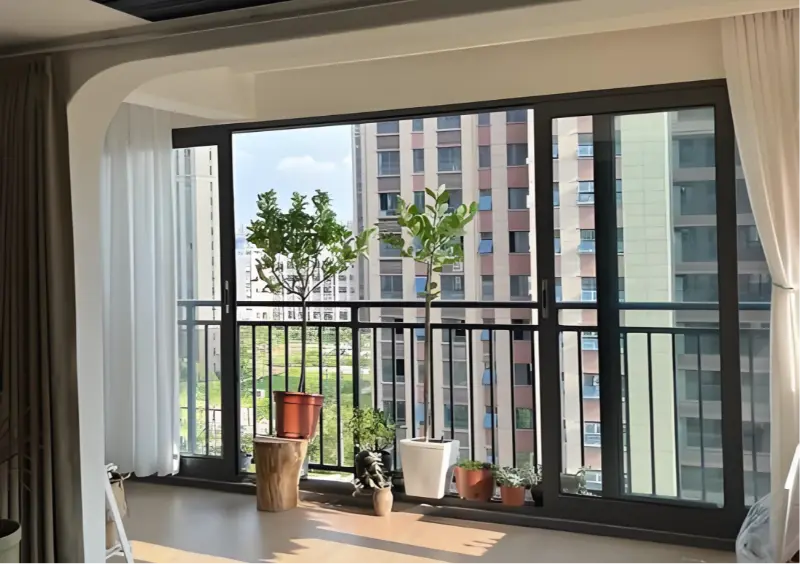
Which type of aluminum windows is better for your balconies?
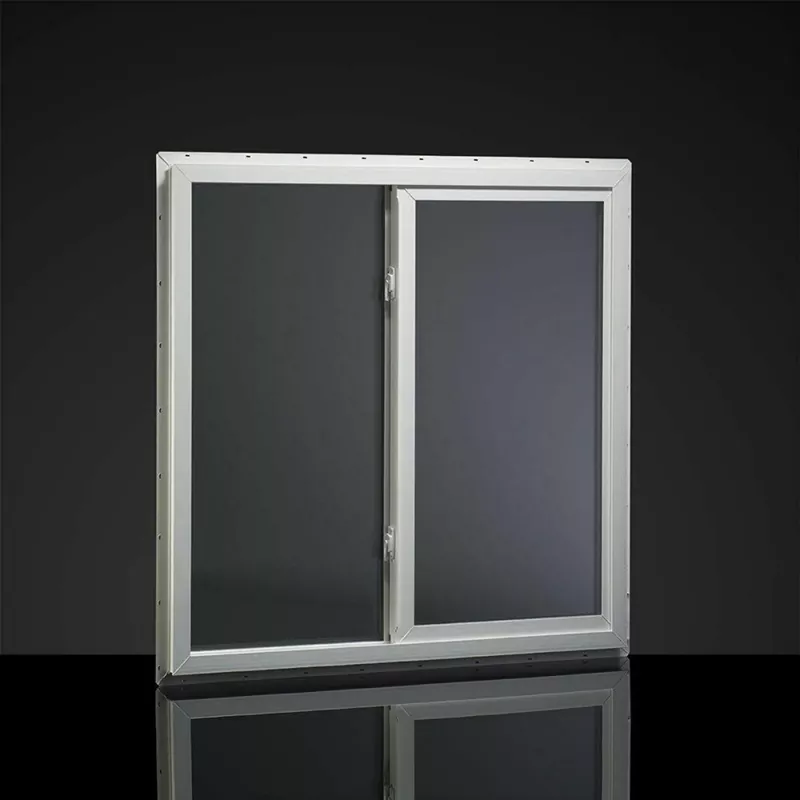
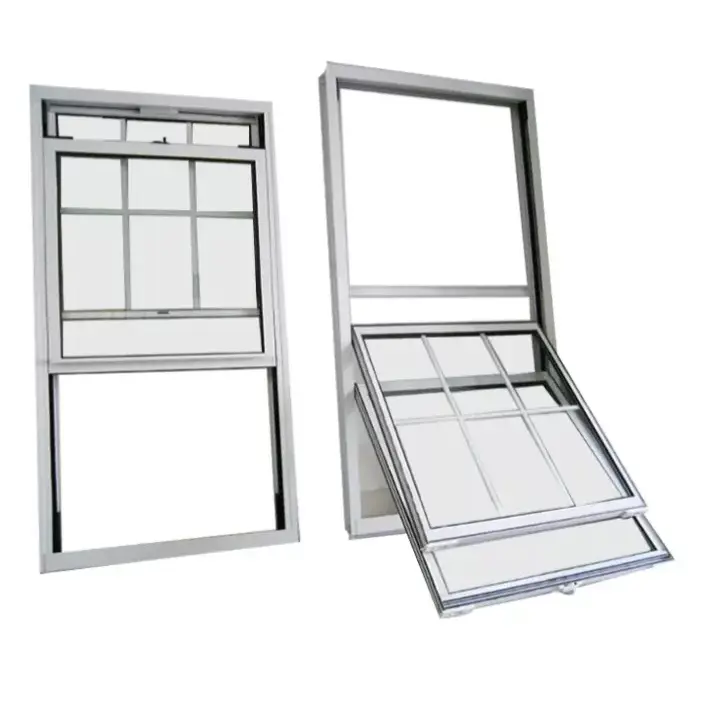
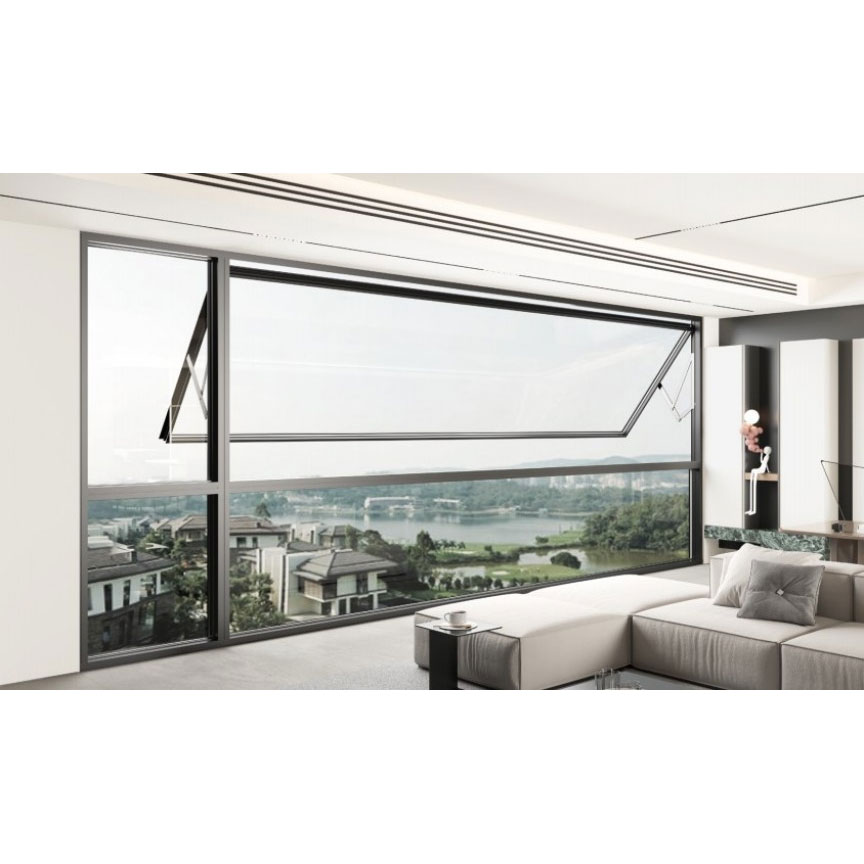
Aluminum casement windows and sliding windows are very popular nowadays. There are both advantages and disadvantages, and let’s have a comparison.
The advantages of Aluminium casement windows:
Excellent Insulation
When choosing windows, you will need to pay more attention to the performance of aluminum windows, such as heat insulation and thermal insulation.
Casement windows offer significant advantages as below:
① Balconies are no longer as cold. You will not feel the wind blowing even standing on the balcony in Winter, since it is airtight closing for a draft-free experience.
② No drafts. Casement windows are virtually airtight when closed. You can test with a lighter to check if there is a draft or not. Aluminum casement windows are particularly better than aluminum sliding windows in offering good insulation.
Good sound insulation
My second impression after enclosing my balcony with casement windows is that the sound insulation is indeed excellent. Friends living near busy roads or noisy markets have high requirements for sound insulation. Poor sound insulation means hearing noise all day, which is quite annoying.
After installing casement windows, the sound insulation has indeed improved significantly:
① When the windows are closed, you can almost hear no outside noise. The noticeable reduction in noise demonstrates the excellent sound insulation effect of casement windows.
② You will get a quiet night. I tested the noise at home, and it is below 40dB, which is relatively low. Aluminum casement windows will bring a nice sleeping for you.
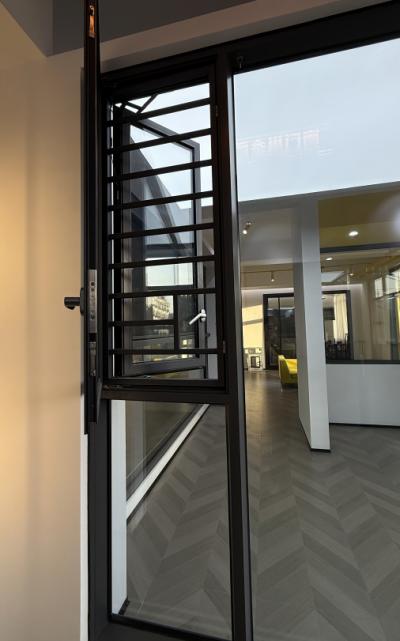
Disadvantages of Aluminum casement windows
Space-consuming
The space occupied by the operable sash is a major drawback of enclosing a balcony with a casement window. The open sash swings horizontally inward, and it will occupied 50-60cm of space.
The problems what will inevitably leads to:
① Impact on balcony space. With the operable sash open, a significant portion of the balcony space is taken up. For balconies only 1.4 to 1.8 meters wide, most of the space is occupied after the window is opened.
② Conflict between the operable sash and clothes rack. Especially with electrically operated clothes racks, they may bump into the operable sash if not handled carefully, potentially causing damage. When installing casement windows, it is crucial to consider the balcony space, paying particular attention to clothes racks, to avoid any conflict. l
Poor Safety
Another key point is the perceived lack of safety. The open sash is about 1.2m off the ground as most people know, and the bottom of window is fixed with a glass panel.
Furthermore, most of these opening sashes open onto the indoor balcony.
Once the opening sash is open, the following problems may arise:
① Bumping risk. This is a concern that both adults and kids need to pay more attention. It might accidentally bump into the window corner when someone walking on the balcony.
② Safety risk. An open casement window is very dangerous when there are toddlers running around in the house. Considering children’s safety, casement windows present a potential risk of impact injuries.